Sustainable Sewing and Fabric Use: Reducing Environmental Impact Through Conscious Choices
- Ava Hunter
- Apr 15
- 4 min read

Promoting eco-friendly textiles and creative fabric reuse
The issue of sustainability in sewing and textiles is a long known problem. I have delved a little deeper in this post, despite it possibly seeming to be counterproductive, given what I do for a living. However, I feel we all need to take a closer look at this subject. Unless of course, we all want future archeologists to find out exactly what has ben worn in 2026. The good, the bad and the ugly ;-)
The issues:
•The Problem of Textile Waste and Landfills
•Environmental Impact of Fabric Production
•Caring for Garments and Making Thoughtful Choices
•Circular Clothing Economy and Sustainable Practices
•Creative Solutions: Mending, Upcycling, and Recycling
•Home Sewing Movements and Personal Responsibility
The Problem of Textile Waste and Landfills

Massive Clothing Waste
92 Million tons of unwanted clothing are discarded globally every year, significantly increasing landfill volume.
A Landfill Clothing storage in the Atacama Desert in Northern Chile can be seen from space and according to space.com grows by around 39.000 tons per year.
In 2024 tons of clothing were burnt in Atacama, but more have since been dumped
Environmental Impact
Discarded clothing causes pollution as chemicals, microplastics and dyes leach into the soil, air, and waterways from landfills.
Polyester Decomposition Time
Polyester fibres can take 200 years or more to degrade in typical landfill conditions, persisting for centuries, mostly turning into microplastic. Future archeologist will know exactly what people wore in 2026.
Environmental Impact
Extended degradation time of polyester results in long-term environmental pollution and landfill burden.
Photograph courtesy of space.com
Environmental consequences of textile waste
Greenhouse Gas Emissions
Landfilled textile waste emits methane, a powerful greenhouse gas contributing to climate change. Methane emissions are a big global concern and contributor to global warming

Soil and Water Pollution
Textile waste pollutes soil and water, not just but also by release of dyes and chemicals bound to fabrics in the processing phase of the raw materials, harming ecosystems and contaminating natural resources.
Microplastic Pollution
Synthetic fibres from textile waste break down into microplastics, contaminating oceans and harming aquatic life
Environmental Impact of Fabric Production

Cotton: water, pesticides, and land use
Water Usage in Cotton Farming
Cotton cultivation demands large volumes of water, significantly impacting local water resources and sustainability. It takes 10.000 l of water to produce 1kg of cotton fabric. Which equates to approximately 90 meters of quilting cotton.
Pesticide Impact
Heavy pesticide use in cotton farming affects soil health and reduces biodiversity in surrounding ecosystems.
Organic Cotton Benefits
Organic cotton reduces chemical inputs but still requires considerable water and land resources for cultivation
My Question for you:
How many Meters of cotton fabric do you think you use per year? Include estimates of your existing clothing. A pair of trousers approx 2.50 meters, a blouse or shirt approx. 2 meters, a dress 3 meters. Leave your answer in the comments :)
Bamboo, silk, wool, polyester, nylon, and tencel: pros and cons
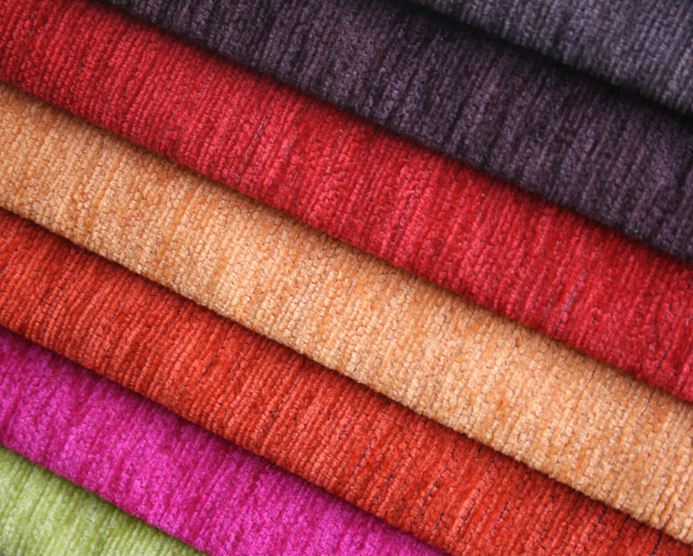
Bamboo Fabric
Bamboo regenerates quickly but its processing often involves heavy chemical treatments impacting the environment.
Natural Fibres: Silk and Wool
Silk and wool are natural fabrics but require significant resources like water and land for production.
Synthetic Fabrics: Polyester and Nylon
Polyester and nylon offer durability but are derived from fossil fuels with environmental drawbacks.
Sustainable Option: Tencel
Tencel™ is a brand of wood-based cellulosic fibres, like Lyocell and Modal, made from sustainable wood pulp in a closed-loop system that recycles non-toxic solvents. Known for its softness, durability, and eco-friendly production, Tencel fabric is moisture-wicking, breathable, hypoallergenic, and resists pilling. It's a versatile and sustainable alternative to cotton and synthetic fibres, used in everything from activewear and clothing to bedding. Tencel is a more sustainable fabric but its environmental benefits depend on certification and responsible production.
There are new fibers in the making, such as Banana Plant Fibres, Nettle Fibers, a Vegan Leather made from Plant Fibers etc, but these are not readily available yet, and most are still in the devlopemnt stages.
You can learn more about this on: https://futurefabricsexpo.org/
The Future Fabrics Expo is a yearly event held in London and in June for the first time in Brussels and tickets are free.
Comparative analysis of fabric sustainability

Natural Fibre Characteristics
Natural fibres biodegrade easily but often require significant resources for cultivation and processing.
Synthetic Fibre Characteristics
Synthetic fibres offer durability and longevity but tend to persist in the environment causing pollution.
Balancing Sustainability Factors
Choosing sustainable fabrics involves balancing biodegradability, resource use, and durability for environmental impact.
Certifications
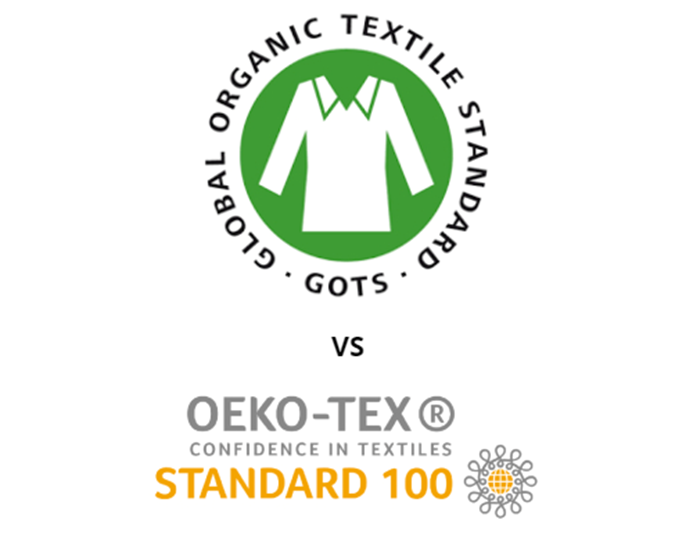
Fabric Certifications
There are certain certifications like Oekotex 100, which sounds on first look like sustainable fabric, however, Oekotex only tests for harmful substances within the fabric, making sure your fabric doesn’t harm your health.
GOTS (Global Organic Textile Standard) is more thorough and follows a fabric from growth to fabrication, ensuring Organic practices and fabrication, including treatment of workers.
Help making the environment better
Only sewing what you will wear

How you can help:
Mindful Sewing Practice
Creating garments tailored to your style and needs encourages thoughtful sewing and reduces unnecessary production, as well as individual stress levels. Mindfulness does not just relate to our awareness of environmental factors, but also our own mental health
Preventing Overproduction
Sewing only what you will wear helps prevent excess clothing waste and lessens your environmental footprint.
If you choose to buy local when it comes to fabrics and fibres, you also reduce your carbon footprint.
Supporting Sustainability
This conscious approach supports sustainable fashion ethics by minimising waste, your own carbon footprint, and valuing quality over quantity.
How many garments have you sewn that you don't wear, because of either a poor fit , or you just plain not liking them on you?
Leave a comment :-)


Wow, that's scary. I had no idea how long it takes for polyester to degrade.